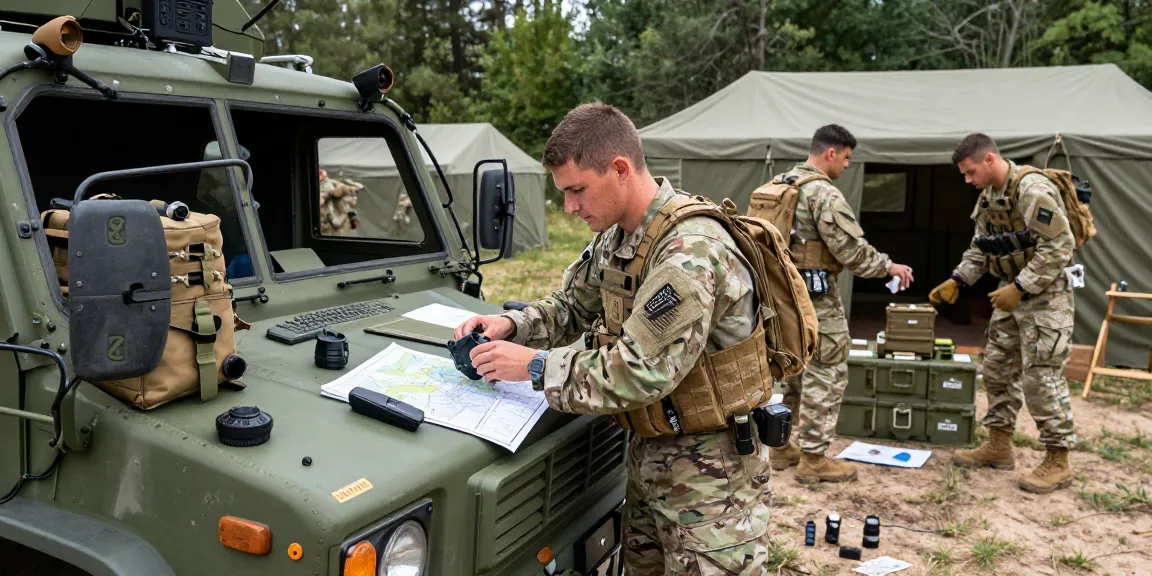
Understanding the Role of 88M Motor Transport Operators
The 88M Motor Transport Operator position in the U.S. Army is a vital role that ensures effective transportation logistics within the military. These professionals are not just truck drivers; they are skilled technicians who operate and maintain various military vehicles, supporting both combat and non-combat operations. As we approach 2026, the demand for highly trained motor transport operators is expected to rise, making this information more relevant than ever. Resources like 88m com provide valuable insights into career guidance, training, and skills needed in this essential role.
What is an 88M Motor Transport Operator?
The 88M Motor Transport Operator is primarily responsible for transporting troops, equipment, and supplies to various locations. This role is critical for maintaining the efficiency of military operations, especially during missions that require rapid deployment and logistical support. Operators are trained to handle tactical wheeled vehicles and are prepared to manage the specific challenges of military transport.
Core Responsibilities and Daily Tasks
As an 88M, the daily tasks include:
- Operating heavy wheeled vehicles such as trucks and trailers.
- Loading and unloading cargo, ensuring the safe and timely transportation of materials.
- Performing preventive maintenance on vehicles to ensure operational readiness.
- Adhering to safety protocols during transportation operations.
- Documenting transport activities and reporting any issues to superiors.
Skills Required for Success in the Field
Success as an 88M requires a blend of technical skills and personal attributes, including:
- Proficient driving skills with a focus on heavy equipment.
- Strong understanding of logistics and transportation management.
- Ability to work under pressure and adapt to changing conditions.
- Attention to detail for maintenance checks and safety compliance.
- Good communication skills to coordinate with other military personnel.
The Path to Becoming an 88M Operator
Educational and Training Requirements
To become an 88M Motor Transport Operator, candidates must meet certain educational and training requirements. Typically, a high school diploma or equivalent is required. Upon enlistment, trainees undergo Basic Combat Training (BCT) followed by Advanced Individual Training (AIT), where they learn the specifics of operating military vehicles and handling transport logistics.
Understanding the AIT for 88M
Advanced Individual Training for 88M includes both classroom instruction and hands-on experience. Trainees learn about vehicle operations, safety regulations, and logistics management. The integration of both theoretical knowledge and practical application ensures that operators are well-prepared for their duties upon completion.
Obtaining CDL and Other Certifications
One of the valuable benefits of completing training as an 88M is the opportunity to obtain a Commercial Driver's License (CDL). This certification not only enhances an operator's capability within the military but also provides a significant advantage in civilian employment post-service. Additionally, operators may receive training in hazardous materials handling and other specialized transport certifications.
Essential Skills for Effective Motor Transport Operations
Driving Techniques for Military Vehicles
Driving military vehicles requires specific techniques distinct from civilian driving. Operators must master skills such as off-road navigation, maneuvering under combat conditions, and safely transporting heavy loads across various terrains. Practicing these skills is crucial for successful missions.
Logistics and Supply Chain Management
Understanding logistics is essential for 88Ms. They must be aware of supply chain dynamics, including how to efficiently manage resources and maintain the flow of supplies. This knowledge ensures that missions are executed smoothly and without delay.
Safety Protocols and Emergency Procedures
Safety is paramount in transport operations. 88M operators are trained to follow strict safety protocols, respond to emergencies, and conduct risk assessments. Knowledge of these procedures helps minimize accidents and enhance operational success.
Career Opportunities After Serving as an 88M
Transitioning to Civilian Roles and CDL Opportunities
After serving as an 88M, many operators transition into civilian roles where their skills are highly sought after. The CDL obtained during service can lead to various job opportunities in transportation, logistics, and supply chain management. Many veterans find positions in trucking or delivery services, capitalizing on their military training and experience.
How Military Experience Enhances Your Resume
Military experience, especially as an 88M, significantly enhances a resume. Employers value the discipline, technical skills, and leadership qualities developed in the military. Veterans often have a competitive edge in job markets where logistics and transportation expertise is crucial.
Exploring Different Industries That Value 88M Skills
The skills acquired as an 88M are transferable to numerous industries, including:
- Commercial trucking and transportation.
- Logistics and supply chain management.
- Government and public service roles.
- Emergency services and disaster relief operations.
Future Trends in Military Transportation and Logistics
Technological Innovations Affecting 88M Operations
As technology rapidly evolves, military transportation is undergoing significant changes. Innovations such as autonomous vehicles, advanced navigation systems, and digital tracking are enhancing the efficiency of operations. 88M operators must stay informed about these advancements to maintain their skills relevant in the face of modernization.
Challenges Facing Military Transport in 2026
Looking ahead, the military transport sector faces various challenges, including budget constraints, the need for infrastructure improvements, and the integration of new technologies. Addressing these challenges will be crucial for maintaining effective logistics operations and ensuring that 88M operators are prepared for future demands.
Preparing for the Future of Military Logistics
Preparation for the future involves continuous education and adaptation to emerging technologies. 88M operators should seek professional development opportunities, engage with innovations in logistics, and remain agile in their approach to training and operations.
Frequently Asked Questions
What are the career benefits of being an 88M?
Being an 88M offers numerous career benefits, including the acquisition of technical skills, leadership experience, and the potential for high-demand job opportunities in civilian life. The CDL obtained can significantly enhance career prospects post-service.
How does 88M training prepare you for civilian life?
88M training prepares individuals for civilian life by equipping them with practical driving skills, logistics knowledge, and problem-solving abilities. These competencies are valuable in various industries, facilitating a smooth transition to the civilian workforce.
What technologies are being integrated into military transport?
Technologies such as GPS navigation, automated driving systems, and advanced communication tools are increasingly integrated into military transport operations. Familiarity with these technologies can enhance the effectiveness of 88M operators in their roles.
Are 88M operators in high demand?
Yes, 88M operators are in high demand due to their specialized skills and the growing need for efficient military logistics. The training and experience gained in this role prepare personnel for various job opportunities both within and outside the military.
What are the physical requirements to be an 88M?
88M operators must meet specific physical fitness standards, including strength and endurance tests, to ensure they can safely operate military vehicles and perform their duties effectively. These requirements are critical for maintaining operational readiness.