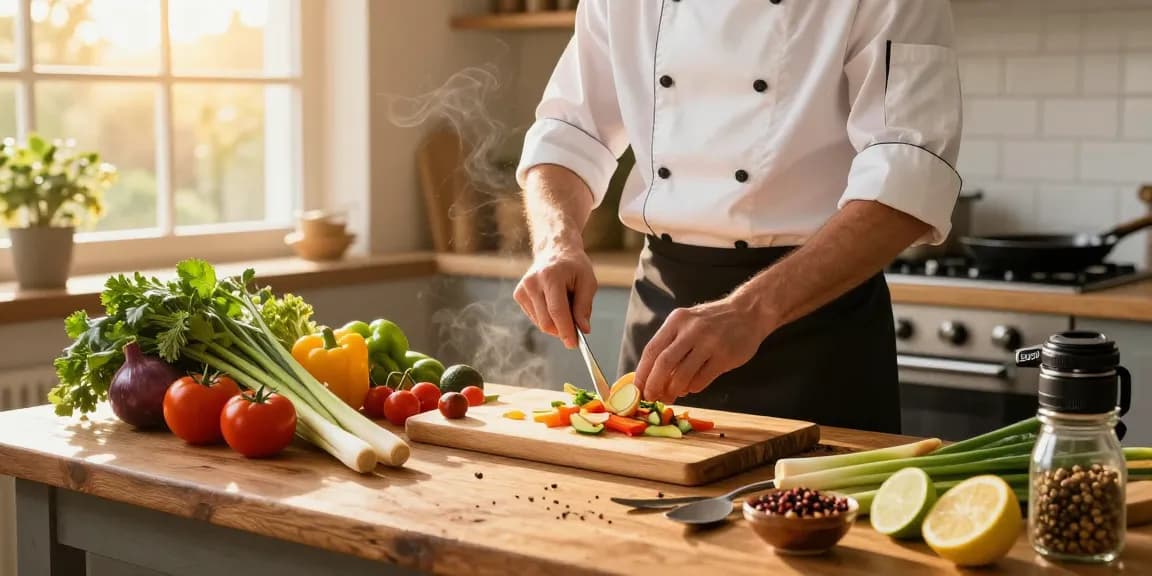
Understanding Essential Nutrients in Cooking
Cooking is both an art and a science, and understanding essential nutrients plays a vital role in creating delicious, nourishing meals. Not only do these nutrients enhance the flavor and texture of our dishes, but they also contribute to our overall health and wellness. As we delve into the world of nutrition, we will explore the significance of macronutrients, key vitamins and minerals, and practical strategies for balancing our plates. When exploring options, สล็อต provides comprehensive insights into understanding the nutritional components of various foods.
What Are Macros and Their Importance?
Macronutrients, often referred to as macros, are the nutrients that provide us with energy and play essential roles in bodily functions. The three primary macronutrients include:
- Carbohydrates: Provide energy, with a focus on complex carbs for sustained energy levels.
- Proteins: Crucial for growth, repair, and maintenance of body tissues.
- Fats: Essential for hormone production, cell structure, and absorption of fat-soluble vitamins.
Understanding the balance of these macros is critical for maintaining a healthy diet. The right combination can support fitness goals, weight management, and overall wellbeing.
Key Vitamins and Minerals in Everyday Cooking
Vitamins and minerals are often overlooked in cooking, yet they are essential for optimal body function. Key nutrients include:
- Vitamin C: Supports the immune system and is found in citrus fruits and bell peppers.
- Calcium: Vital for bone health, available in dairy products, leafy greens, and fortified foods.
- Iron: Necessary for oxygen transport, found in red meat, beans, and fortified cereals.
Incorporating a variety of fruits, vegetables, and whole foods in your meals can help ensure you meet your daily vitamin and mineral needs.
Balancing Your Plate: A Practical Guide
Creating balanced meals is key to nutritional success. A practical approach includes:
- Fill half your plate with vegetables and fruits.
- Choose whole grains over refined options.
- Include lean proteins like chicken, fish, or plant-based sources.
- Limit processed foods and added sugars.
This method not only promotes a well-rounded diet but also encourages mindful eating practices.
Integrating Herbs and Spices for Flavor
Herbs and spices are the unsung heroes of cooking. They elevate flavors without adding calories, making them essential for healthy meal preparation. Incorporating these tiny powerhouses can transform ordinary dishes into culinary masterpieces.
The Health Benefits of Ginger and Lemongrass
Ginger and lemongrass are two powerful herbs widely used in various cuisines for their flavor and health benefits. Ginger is known for its anti-inflammatory properties and can aid digestion, while lemongrass offers a refreshing flavor and is rich in antioxidants. Both can enhance your meals while providing additional nutritional benefits.
How to Use Herbs to Elevate Dishes
Using fresh herbs and spices can enhance the taste and nutritional profile of your dishes:
- Add fresh basil or parsley to pasta for a burst of flavor.
- Incorporate cumin or coriander into stews for warmth and depth.
- Use cilantro for a fresh kick in salsas and salads.
Experimenting with these ingredients can lead to discovering new favorite combinations.
Common Cooking Mistakes with Spices
While herbs and spices can improve meals, there are common mistakes to avoid:
- Using dried herbs at the wrong time can diminish their flavor. Add them early in cooking.
- Overusing salt can mask the flavors of spices.
- Neglecting to toast spices can result in a lack of depth in flavor.
By being mindful of how and when to use herbs and spices, you can maximize their benefits in your cooking.
Healthy Cooking Techniques for Better Meals
Choosing the right cooking techniques can significantly impact the nutritional value of your meals. Here are some methods that enhance flavor while retaining essential nutrients.
Steaming vs. Sautéing: What’s Best?
Steaming is an excellent method for preserving the nutrients in vegetables, while sautéing can bring out unique flavors and add healthy fats if done correctly. Understanding when to use each method can help create healthier dishes without sacrificing taste. Each technique has its merits, and incorporating a variety of cooking methods can keep meals interesting.
Embracing Plant-Based Cooking: Recipes to Try
Plant-based diets are gaining traction for their health benefits and environmental impact. Here are simple recipes to incorporate more plant foods:
- Chickpea Salad: Combine chickpeas, tomatoes, cucumber, and a lemon dressing for a refreshing meal.
- Vegetable Stir-Fry: Use a variety of colorful vegetables tossed in a light soy sauce.
- Quinoa Bowl: Mix cooked quinoa with roasted vegetables and a tahini sauce.
These recipes are not only healthy but also quick to prepare.
Low-Calorie Alternatives for Traditional Dishes
Finding low-calorie alternatives to your favorite dishes can be an effective way to enjoy meals without compromising on health:
- Use Greek yogurt instead of sour cream.
- Substitute cauliflower rice for regular rice.
- Switch to whole-grain pasta for a fiber boost.
These simple swaps can significantly reduce calorie counts while maintaining flavors.
Overcoming Common Cooking Challenges
Cooking can be daunting, especially for those of us with busy lifestyles or special dietary needs. Here are some actionable tips to help you overcome these challenges.
Time Management in the Kitchen
Effective time management can streamline your cooking process:
- Plan your meals weekly to save time on decisions.
- Prep ingredients in advance to reduce cooking time.
- Utilize batch cooking for quick access to meals during the week.
With a bit of planning, cooking can become a more enjoyable and less stressful activity.
Dealing with Food Allergies and Preferences
Many people face dietary restrictions, whether due to allergies, intolerances, or personal preferences. Here’s how to navigate these challenges:
- Explore alternative ingredients to accommodate allergies.
- Read labels carefully to avoid hidden allergens.
- Experiment with plant-based options if lactose intolerant or vegan.
Adapting recipes to meet dietary needs can be both creative and enjoyable.
Budget-Friendly Meal Prep Ideas
Eating healthy doesn’t have to be expensive. Here are budget-friendly tips:
- Buy seasonal produce to save money.
- Utilize canned beans and legumes for affordable protein.
- Invest in staple grains like rice and oats that can stretch meals.
These strategies not only enhance health but also help maintain your budget.
Future Food Trends for 2026 and Beyond
As we look toward the future of cooking and nutrition, several trends are emerging that may shape our culinary choices.
The Rise of Functional Foods
Functional foods are poised to play a significant role in our diets, focusing on ingredients that provide health benefits beyond basic nutrition. From fortified foods to those rich in probiotics, understanding these options can enhance wellness.
Innovative Cooking Technologies to Watch
Advancements in technology are influencing how we cook, with innovations like smart kitchen devices and sous-vide cooking methods making it easier to prepare healthy meals at home. These tools can offer precision and convenience, making cooking more accessible to everyone.
How Sustainability is Shaping Cooking Choices
As environmental awareness grows, sustainable cooking practices are becoming more mainstream. This includes sourcing local ingredients, reducing food waste, and choosing plant-based options. These choices not only benefit personal health but also contribute to the health of our planet.
What Are the Benefits of Meal Planning?
Meal planning offers numerous benefits, including:
- Saving time and money.
- Reducing stress related to daily cooking.
- Encouraging healthier eating habits.
By preparing meals ahead of time, you can ensure that you always have nutritious options available.
How to Create Balanced Meals Easily?
Creating balanced meals can be simple with a few guidelines:
- Incorporate a variety of food groups in each meal.
- Ensure adequate protein, healthy fats, and a good source of fiber.
- Experiment with flavors to keep meals exciting.
With practice, developing healthy eating habits can become second nature.